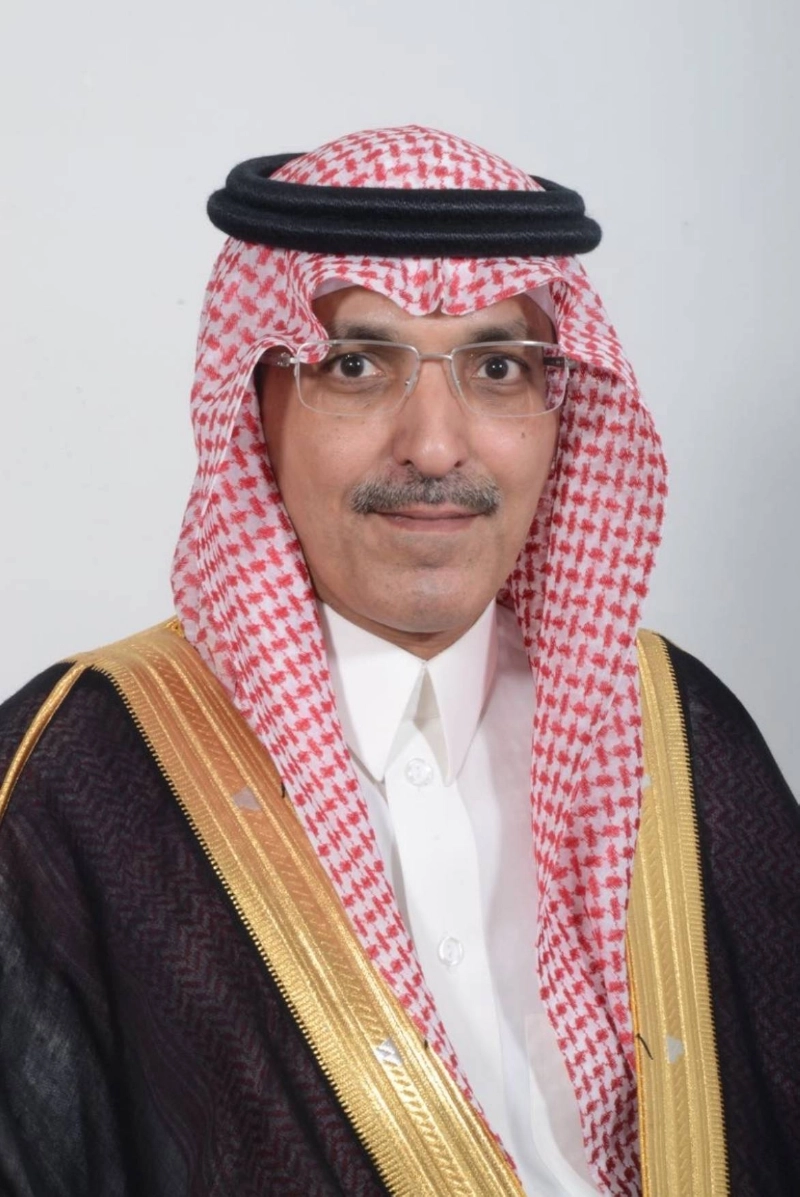
Saudi Minister of Finance Concludes Participation at 4th Finance Ministers and Central Bank Governors Meeting under G20 Presidency of South Africa
السبت - 18 أكتوبر 2025
Sat - 18 Oct 2025
His Excellency the Saudi Minister of Finance, Mr. Mohammed Aljadaan, and His Excellency the Governor of the Saudi Central Bank (SAMA), Mr. Ayman Alsayari, concluded their participation in the 4th Finance Ministers and Central Bank Governors (FMCBG) meeting under the G20 presidency of South Africa, which was heldOctober 15-16, 2025, in Washington, DC, on the sidelines of the World Bank Group-IMF Annual Meetings.
In his speech, Minister Aljadaan emphasized that the global economy faced several challenges this year, some which may extend into 2026 as the effects of major shifts continue to influence policies. He clarified that the solution does not lie in withdrawing from the multilateral trading system, but in collective efforts to improve it in order to strengthen trust and promote long-term investments.
Minister Aljadaan also stressed that a commitment to fiscal discipline and public debt sustainability constitutes a fundamental pillar of macroeconomic stability, and it requires enhanced transparency, sound financial governance, and improved spending efficiency.
He pointed out that rapid developments in technological innovations—such as artificial intelligence and other digital assets—require proactive regulatory frameworks that balance the exploitation of opportunities with risk mitigation. He urged international financial institutions to provide clear guidance to help countries align their national policies with global financial stability.
Within the discussions on solutions to support Africa’s growth, the Minister highlighted that the continent represents a region of increasing importance for global growth. He noted the need for solutions that are practical and implementable, focusing on reducing capital costs, stimulating private investment, and supporting financial sustainability.
Minister Aljadaan affirmed that achieving sustainable progress in Africa requires the support of multilateral institutions to implement structural reforms that enhance productivity and create favorable conditions for private sector-led growth. He also noted that the Kingdom’s partnership with Africa is well-established, having financed numerous projects in infrastructure, energy, and health across more than 40 African countries.
He concluded by emphasizing the pivotal role of the G20 in advancing the global financial reform agenda, strengthening debt resolution frameworks, and encouraging public-private cooperation to build a more resilient, inclusive, and sustainable global financial system
In his speech, Minister Aljadaan emphasized that the global economy faced several challenges this year, some which may extend into 2026 as the effects of major shifts continue to influence policies. He clarified that the solution does not lie in withdrawing from the multilateral trading system, but in collective efforts to improve it in order to strengthen trust and promote long-term investments.
Minister Aljadaan also stressed that a commitment to fiscal discipline and public debt sustainability constitutes a fundamental pillar of macroeconomic stability, and it requires enhanced transparency, sound financial governance, and improved spending efficiency.
He pointed out that rapid developments in technological innovations—such as artificial intelligence and other digital assets—require proactive regulatory frameworks that balance the exploitation of opportunities with risk mitigation. He urged international financial institutions to provide clear guidance to help countries align their national policies with global financial stability.
Within the discussions on solutions to support Africa’s growth, the Minister highlighted that the continent represents a region of increasing importance for global growth. He noted the need for solutions that are practical and implementable, focusing on reducing capital costs, stimulating private investment, and supporting financial sustainability.
Minister Aljadaan affirmed that achieving sustainable progress in Africa requires the support of multilateral institutions to implement structural reforms that enhance productivity and create favorable conditions for private sector-led growth. He also noted that the Kingdom’s partnership with Africa is well-established, having financed numerous projects in infrastructure, energy, and health across more than 40 African countries.
He concluded by emphasizing the pivotal role of the G20 in advancing the global financial reform agenda, strengthening debt resolution frameworks, and encouraging public-private cooperation to build a more resilient, inclusive, and sustainable global financial system
Related Articles
U.S. Drug Approvals Balancing Flexibility and ChallengesU.S. Drug Approvals Balancing Flexibility and Challenges
Saudi Minister of Finance Heads Kingdom’s Delegation to WBG-IMF 2025 Annual MeetingsSaudi Minister of Finance Heads Kingdom’s Delegation to WBG-IMF 2025 Annual Meetings
SNIH and Fakeeh Care Group Celebrate the Launch of the First Private-Sector Clinical Trials Unit in Saudi ArabiaSNIH and Fakeeh Care Group Celebrate the Launch of the First Private-Sector Clinical Trials Unit in Saudi Arabia
Leading Causes of Death in Saudi ArabiaLeading Causes of Death in Saudi Arabia